About Elastomeric Bearing
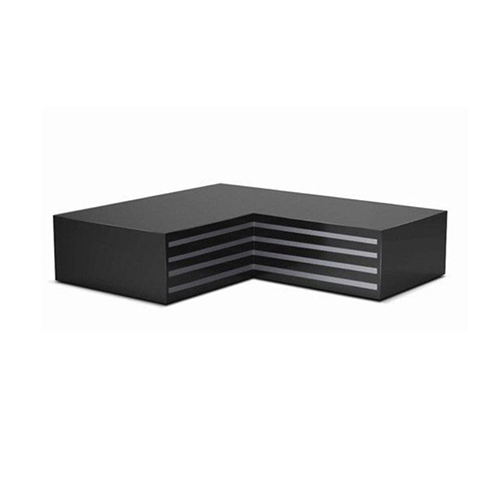
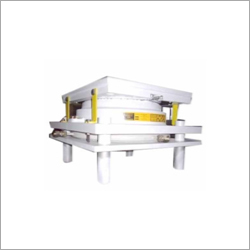
Our provided Elastomeric Bearing is made from strong and pliable material like neoprene and heavy duty industrial rubber. The main function of this bearing is to distribute superstructure loads to the substructure and allow the superstructure to undergo necessary movement in irregular environmental conditions without creating any harmful stresses. Further, our offered Elastomeric Bearing is made by using finest grade metals like cast iron and carbon steel and praised for their unique features like long service life and ergonomic design.
Product Details
|
Density
|
10.2 g/cm3
|
|
Shape
|
L Shape
|
|
Color
|
Black
|
|
Material
|
Natural Rubber
|
|
Thickness
|
25 - 100 mm
|
|
Shear Strenght
|
0.8 to 1.2 MPa
|
Engineered for Demanding Infrastructure ApplicationsOur elastomeric bearings are specifically designed for the critical demands of bridge construction, building structures, and flyovers. Their laminated structure ensures optimal load distribution and flexibility, catering to the dynamic requirements of modern infrastructure. With their high shear modulus and excellent elongation properties, these bearings provide continued reliability, accommodating movement and rotation while absorbing pressure and vibration.
Customizable Solutions for Varied RequirementsChoose from a range of customizable options, including shape, bore size, outside and inside diameter, and thickness, to perfectly suit your project specifications. The use of high-grade neoprene rubber and steel plates guarantees durability, while the precision-engineered laminated structure ensures consistent long-term performance. Our team supports you through every stepfrom selection to installationto ensure you receive the optimal bearing solution.
FAQs of Elastomeric Bearing:
Q: How are elastomeric bearings installed in bridge and flyover structures?
A: Elastomeric bearings are typically positioned between the superstructure and substructure of bridges or buildings. Installation involves placing the bearing at designated locations, ensuring correct alignment, and securing it according to design specifications. No additional lubrication is required as the bearings are self-lubricating. Proper installation guarantees efficient load transfer and accommodates structural movement.
Q: What benefits do elastomeric bearings offer compared to conventional bearings?
A: Elastomeric bearings provide superior vibration absorption, thermal expansion accommodation, and load distribution, reducing stress on structural components. Their low maintenance, corrosion resistance, and long service life (510 years) make them a cost-effective choice for high-load applications, especially in bridges and large infrastructure projects.
Q: When is it necessary to customize elastomeric bearing size or thickness?
A: Custom sizes or thicknesses are specified when a project requires unique load capacities, movement ranges, or structural clearances that standard bearings do not accommodate. All dimensionsincluding bore size, outside and inside diameter, and overall thicknesscan be tailored to meet precise engineering requirements.
Q: What compliance standards do these elastomeric bearings meet?
A: Our elastomeric bearings comply with IS 3400, IRC:83 Part II, and ASTM D4014 standards. These certifications ensure the bearings deliver reliable mechanical properties, safety, and longevity in demanding civil engineering applications.
Q: Where should elastomeric bearings be stored before installation?
A: Bearings should be stored in a cool, dry environment away from direct sunlight, chemicals, and sharp objects. This preserves the material quality and extends storage life (510 years), ensuring the bearings maintain their physical and mechanical properties until installation.
Q: How does the laminated structure improve the performance of elastomeric bearings?
A: The steel-laminated structure enhances load distribution, reduces deformation, and improves shear flexibility. This design allows the bearing to accommodate both vertical loads and horizontal movements, ensuring optimal performance and structural safety under varying operational conditions.
 English
 Spanish
 French
 German
 Italian
 Chinese (Simplified)
 Japanese
 Korean
 Arabic
 Portuguese









 Send Inquiry

 Send Inquiry

 Send Inquiry
 Send SMS
 Call Me Free