About Free Float Pot Bearing
Pot Bearings are specially engineered structural bearings widely used in bridges, flyovers, metro projects, heavy infrastructure, and industrial construction applications. These bearings are designed to accommodate rotational movements, vertical loads, and horizontal displacements while ensuring structural stability and long-term performance. Manufactured using high-quality steel, elastomeric components, and advanced engineering technology, pot bearings provide excellent load-bearing capacity, durability, and resistance against harsh environmental conditions.
Widely used in highway bridges, railway bridges, elevated corridors, and heavy civil engineering projects, pot bearings help reduce stress transfer between the superstructure and substructure. These bearings are known for their superior strength, corrosion resistance, low maintenance, and reliable performance under dynamic loading conditions. Available in fixed, guided, and free movement types, pot bearings can be customized according to project specifications and load requirements.
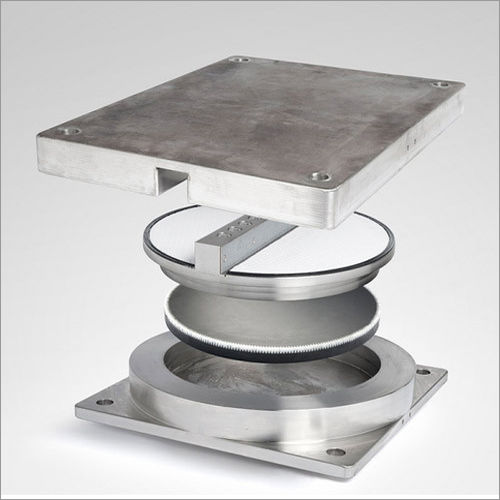
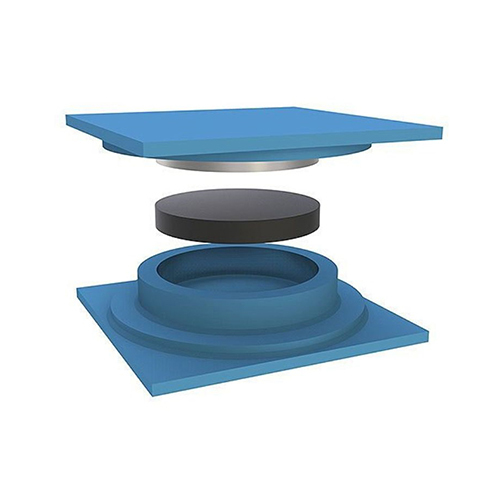
This Free Float Pot Bearing is used to bears and transmit vertical load and allows movement in any direction in the horizontal plane and accommodates rotation about any axis in horizontal plane. Our offered pot bearing is made under the direction of our expert engineer by using latest technologies keeping in mind the set industrial norms. Our offered pot bearing is checked by our quality controller on different quality parameters before delivering to our valued customer end. Our offered Free Float Pot Bearing provides lateral restraint on any horizontal axis and equal rotation about an axis in horizontal plane.
Product Details of Pot Bearings:
|
Hardness
|
65-70 Shore D
|
|
Material
|
Natural Rubber
|
|
Working Temperature
|
-40 Deg C to + 60 Deg C
|
|
Usage
|
Bridge Construction
|
|
Thickness
|
10 - 100 mm
|
Specialized Movement Accommodation
The Free Float Pot Bearing is engineered to tolerate horizontal displacements and rotational demands of modern structures. Its customisable bore sizes and profiles ensure alignment with project-specific requirements, facilitating efficient load transfer and minimising stress within superstructures.
Durable and Corrosion-Protected Design
Longevity is at the forefront, with all pot bearings finished in galvanized or painted coating to withstand harsh environments and resist corrosion. Combined with robust mild steel construction and a high-strength steel retainer, this bearing promises reliable service in demanding applications.
Compliance and Versatility
Developed as per global standards like IRC, BS EN 1337-5, and AASHTO, this pot bearing is suitable for diverse civil engineering projects. Its adaptable form factoravailable in round or rectangular configurationscaters to varying site needs, facilitating use in bridges, flyovers, and heavy-duty superstructures throughout India.
FAQs of Free Float Pot Bearing:
Q: How is a Free Float Pot Bearing installed in civil engineering structures?
A: Free Float Pot Bearings are installed at the horizontal base alignment of the superstructure, typically during bridge or flyover construction. Their custom dimensions ensure a precise fit and proper load distribution, with installation overseen according to engineering design standards.
Q: What benefits do Free Float Pot Bearings provide in bridge and flyover construction?
A: These bearings efficiently accommodate both high compression loads and specified horizontal displacements, allowing structures to manage movements caused by traffic and temperature fluctuations. This leads to improved structural durability and reduced maintenance demands.
Q: When should periodic inspection or maintenance be conducted on these bearings?
A: Periodic inspections are recommended as part of routine structural checksgenerally during scheduled maintenance of bridges and flyovers. Though designed for minimal maintenance, inspections help verify seal integrity, lubrication condition, and overall performance.
Q: Where is the optimal placement of Free Float Pot Bearings within a structure?
A: The bearings are positioned at the base of the superstructure, directly below deck beams or girders, aligned horizontally to support axial loads and accommodate movements as dictated by structural design.
Q: What is the process for selecting the appropriate size and shape of a Free Float Pot Bearing?
A: Selection is based on project-specific parameters such as load capacity, movement requirement, and installation space. The design can incorporate single-row configurations, custom bore sizes, and choose between round or rectangular forms to suit on-site conditions and structural requirements.
Q: Which standards do Free Float Pot Bearings conform to, and why is this important?
A: These bearings conform to IRC, BS EN 1337-5, and AASHTO standards, ensuring high performance, safety, and compatibility in large civil engineering projects both in India and internationally.
Q: What types of corrosion protection are available for the bearing surfaces?
A: The pot bearings are offered with either galvanized or painted finishes, safeguarding against rust and environmental degradation to enhance product longevity and reliability in exposed outdoor installations.










 Send Inquiry

 Send Inquiry

 Send Inquiry
 Send SMS