About Voided PT Slab
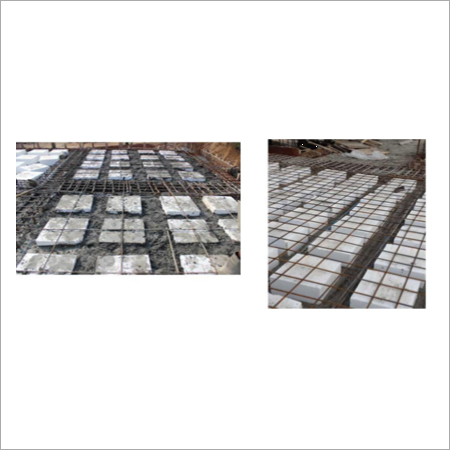
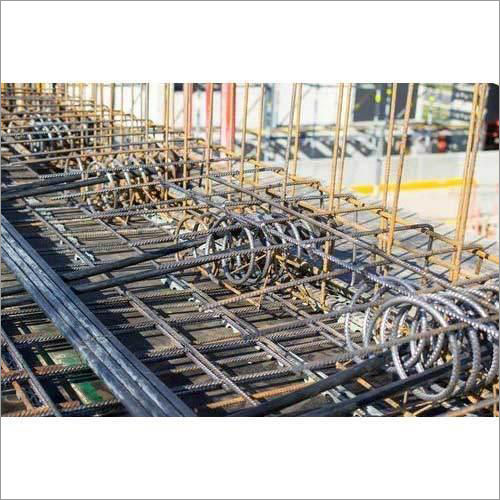
Voided PT Slabs are used for construction of floor and foundation of concrete structures. Application of such slabs minimizes weight of buildings and ensures light weight of foundation. Length of these construction accessories are usually 25 feet and more. Besides saving construction cost, Voided PT Slabs eliminate the necessity of erecting beams during flat plate construction. These are also useful to minimize vibration level of concrete flooring. By reducing dead weight of floor, these slabs ensure better protection of structures against earthquake.
Exceptional Fire Resistance and SafetyDesigned for rigorous structural demands, this voided PT slab ensures fire safety with resistance up to 2 hours, meeting stringent specifications for commercial and institutional projects. Its robust composition achieves high structural integrity while also enabling compliance with critical fire codes, making it a secure choice for large open spaces and heavy-duty construction.
Sustainability and Reduced Carbon FootprintThe innovative voiding system utilizes high-strength recycled polymers, significantly lowering concrete usage. This reduction directly decreases the overall carbon footprint of the building, making the slab an environmentally responsible choice. Additionally, the lightweight construction minimizes transportation energy, further enhancing its sustainability profile.
Superior Thermal and Acoustic PerformanceThe strategic inclusion of voids enhances not only the slabs thermal properties by decreasing its thermal mass, but also its acoustic insulation capabilities. These improvements provide better indoor comfort and noise control compared to conventional solid slabs, supporting a healthier and more pleasant environment in high-traffic buildings.
FAQs of Voided PT Slab:
Q: How is fire resistance ensured in the voided PT slab design?
A: Fire resistance is achieved through the use of high-grade C50/60 concrete and 1770 MPa post-tensioned steel, as well as the integration of recycled polymer voids. This combination ensures the slab withstands fire exposure for up to 2 hours, meeting safety requirements for diverse building types.
Q: What are the thermal and acoustic benefits of the voided PT slab?
A: The presence of spherical or ellipsoidal voids reduces the slabs thermal mass, improving heat insulation properties. At the same time, the unique slab geometry and dense concrete shell enhance sound insulation, resulting in quieter environments compared to conventional slabs.
Q: When and where is it suitable to use voided PT slabs?
A: Voided PT slabs are ideal for commercial, industrial, institutional spaces, parking structures, and large open areas requiring lightweight, high-load capacity flooring or roofing. Their customizable thickness and span make them versatile for various architectural and structural applications.
Q: What is the installation process for a voided PT slab?
A: Installation involves a combination of precast and in-situ casting techniques. Post-tensioning equipment is used on-site to tension high-strength steel cables within the slab, ensuring effective deflection control and maximizing load capacity across spans up to 18 meters.
Q: How does the use of voids contribute to sustainability and cost savings?
A: Voids reduce the overall volume of concrete required by up to 35%, which not only decreases material costs but also lowers embodied carbon, making the slab environmentally-friendly. Additionally, integrating recycled polymers for voiding material further improves sustainability and project economics.
Q: What maintenance is needed for voided PT slabs over time?
A: These slabs require minimal maintenance due to their integrated structural system and durable construction materials. Routine inspections for surface treatment and cable tension are usually sufficient to ensure long-term performance and safety.
Q: What customized options are available for voided PT slabs?
A: Clients can select custom thicknesses (200600 mm), void diameters (180360 mm), slab sizes, and surface treatments (smooth/polished) based on project needs. This adaptability enables optimal performance and aesthetic integration across varied building designs.
 English
 Spanish
 French
 German
 Italian
 Chinese (Simplified)
 Japanese
 Korean
 Arabic
 Portuguese









 Send Inquiry

 Send Inquiry

 Send Inquiry
 Send SMS
 Call Me Free