 English
 Spanish
 French
 German
 Italian
 Chinese (Simplified)
 Japanese
 Korean
 Arabic
 Portuguese
Call Us
07971258395
Call Us
07971258395

Our offered RCC PT Slab can reduce construction time, especially precast systems and place on flat-plate forming systems. Further, it can take advantage of post-tensioned reinforcement benefits to provide a thin slab with greater span. These voided slabs have been used in waffle slabs, single and double direction pan forming systems and hollow-core precast slabs. Apart from this, our provided RCC PT Slab can reduce construction time, especially precast systems and those placed on flat-plate forming systems.
Product Details
| Thickness | 350 - 400 mm |
| Usage/Application | Industral |
| Automation Grade | Manual |
| Material | Concrete |
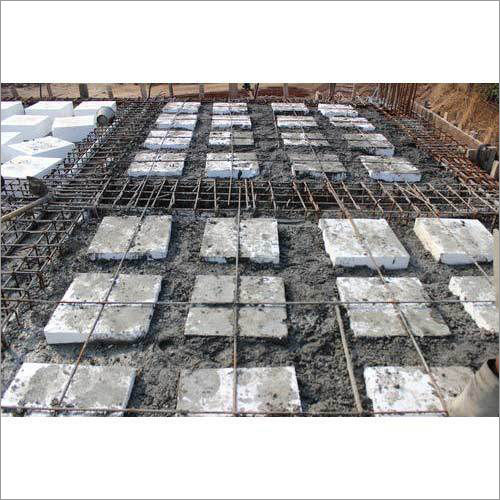

Price:
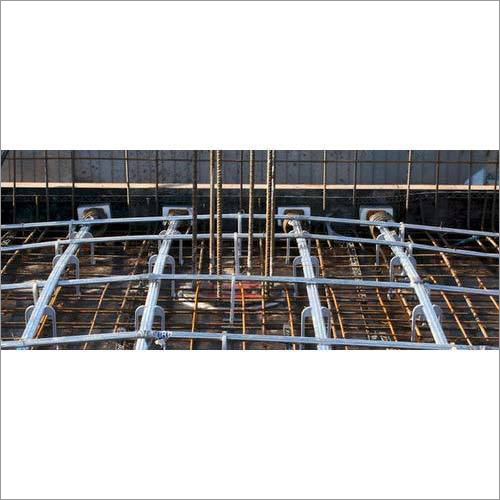
Price 1200 INR / Square Meter
Minimum Order Quantity : 1000 Square Meters
Material : Other, High Strength Concrete, Steel Tendons
Surface Treatment : Other, Smooth Finish
Type : Others, Precast Concrete Slab
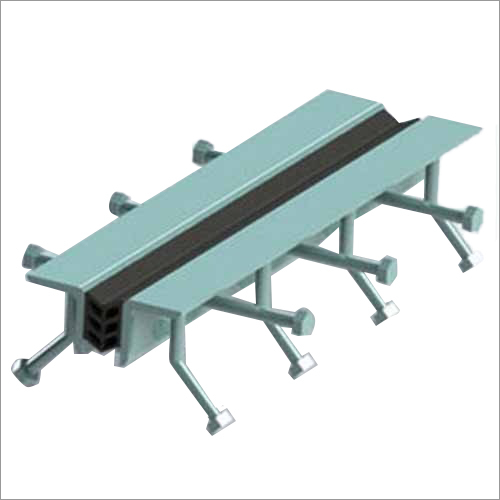
Price Range 3000.00 - 25000.00 INR / Meter
Minimum Order Quantity : 1000 Meters
Material : Other, Steel / Rubber / Neoprene
Surface Treatment : Other, Galvanized / Painted / Anticorrosive Coated
Type : Others, Modular Expansion Joint
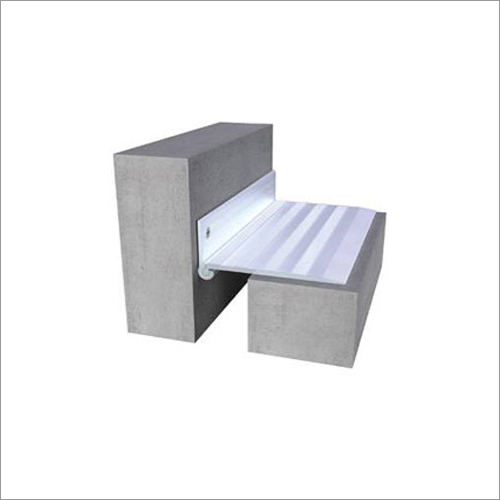
Price Range 3000.00 - 25000.00 INR / Meter
Minimum Order Quantity : 1000 Meters
Material : Other, Aluminum / Stainless Steel / Galvanized Steel
Surface Treatment : Other, Anodized / Powder Coated
Type : Others, Expansion Joint, Floor to Wall
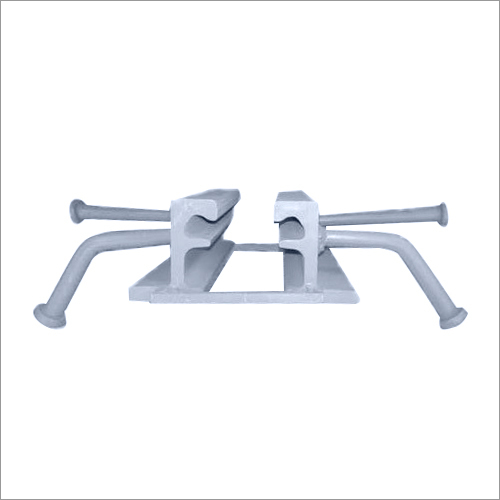
Price Range 3000.00 - 25000.00 INR / Meter
Minimum Order Quantity : 1000 Meters
Material : Other, Mild Steel / Neoprene Rubber / Stainless Steel
Surface Treatment : Other, Galvanized / Anticorrosive Coating
Type : Others, Strip Seal Expansion Joint



|




 Send Inquiry

 Send Inquiry

 Send Inquiry
 Send SMS
 Call Me Free