About Arch Expansion Joints
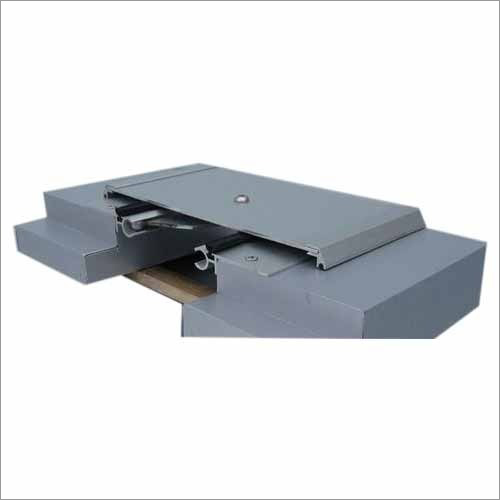
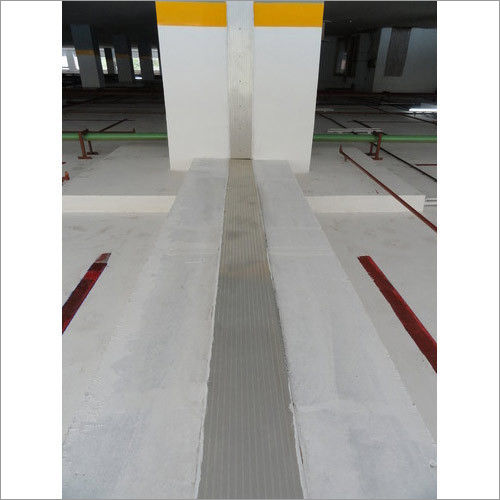
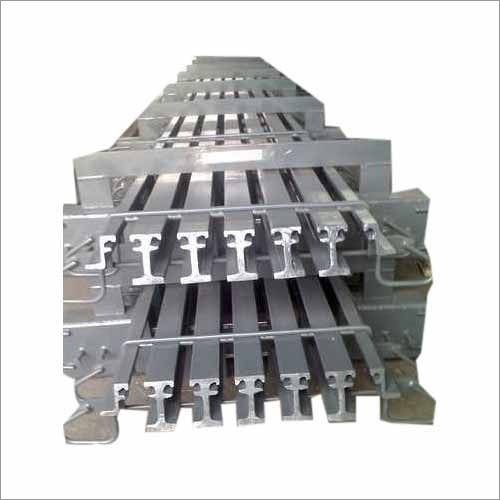
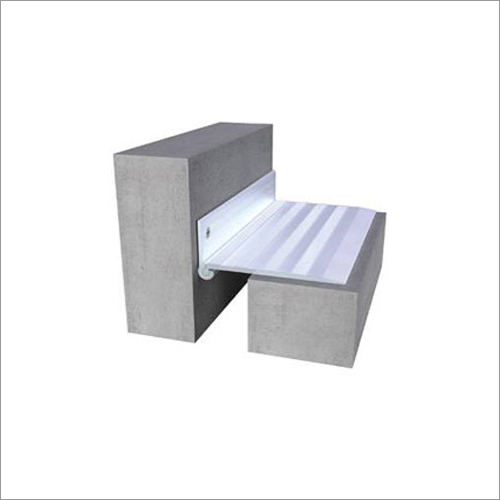
Our offered Architectural Expansion Joint can be utilized in various applications for turbines and also absorb vibration and permit movement due to earthquakes and ground settlement. It is mainly used between section of bridges, sidewalks, piping structures, railway tracks and other structures. This expansion joint is an assembly which designed under the guidance of our expert professionals to absorb safely expansion and contraction of different construction material caused by heat. Further, our provided Architectural Expansion Joint is checked by our quality controller on different quality parameters before delivering to our valued customer end.
Product Details
| Material | High Duty Steel- Structure |
| Usage/Application | Bridge Engineering |
| Size | 3 inch |
| Temperature | Up to 1200 Deg C |
Versatile Movement CapabilityOur arch expansion joints are engineered to handle a trio of movements: axial, lateral, and angular. This versatility ensures your piping system remains secure and vibration-free, even in challenging industrial environments. With their robust movement absorption, downtime due to expansion stresses or misalignment is minimized, enhancing longevity and system performance.
Designed for Rigorous ApplicationsManufactured using moulded rubber construction and conforming to BS 5351, EJMA, and IS: 5290 standards, these expansion joints are suitable for diverse media like water, air, and chemicals. Their superior corrosion resistance, smooth or coated finish, and available color options (black/dark grey) make them reliable for installations requiring durability under demanding conditions.
Flexible Sizing and ConnectionsAvailable in a size range of 25 mm to 3000 mm, with either drilled or undrilled flanges, our arch expansion joints are adaptable to a wide array of pipelines. Choose flange materials from carbon steel to SS304/316 for optimal compatibility, highlighting ease of integration with existing systems.
FAQs of Arch Expansion Joints:
Q: How do arch expansion joints absorb movement and vibration in piping systems?
A: Arch expansion joints use a flexible, moulded rubber body to accommodate axial, lateral, and angular movements. This flexibility effectively absorbs thermal expansion, vibration, and mechanical noise, protecting connected equipment and pipelines from stress and fatigue.
Q: What materials are these arch expansion joints made from, and how does this benefit chemical compatibility?
A: They are constructed from EPDM, natural rubber, neoprene, or nitrile, providing excellent chemical resistance. This makes them suitable for transporting water, air, and a wide range of chemicals without risk of degradation, enhancing system reliability.
Q: When should arch expansion joints be selected for an installation?
A: These joints are ideal when your application requires absorption of expansion, dampening of vibrations, or noise reduction in both horizontal and vertical piping. They are particularly recommended in systems subject to variable temperatures, high pressure (1025 bar), or vacuum conditions.
Q: Where can these expansion joints be installed within a piping network?
A: They are versatile for use in industrial, chemical, water treatment, and HVAC piping systems. Suitable for horizontal and vertical setups, they easily integrate with existing infrastructure due to their wide size range and flexible end connection options.
Q: What is involved in the installation process for these expansion joints?
A: Installation typically involves aligning the pipe ends, attaching the joint using either drilled or undrilled flanges, and ensuring even tightening. The joints are designed for straightforward fitting, reducing labor time and costs during installation or future maintenance.
Q: How does the design standard compliance benefit customers?
A: Conforming to standards like BS 5351, EJMA, and IS: 5290 ensures that the expansion joints meet rigorous performance and quality requirements. This guarantees safety, durability, and compatibility with global industrial systems.
Q: What is the maximum temperature and working pressure these joints can withstand?
A: They can operate continuously at temperatures up to 120C and sustain working pressures between 10 and 25 bar, making them reliable for environments with high thermal and mechanical demands.
 English
 Spanish
 French
 German
 Italian
 Chinese (Simplified)
 Japanese
 Korean
 Arabic
 Portuguese










 Send Inquiry

 Send Inquiry

 Send Inquiry
 Send SMS