 English
 Spanish
 French
 German
 Italian
 Chinese (Simplified)
 Japanese
 Korean
 Arabic
 Portuguese
Call Us
07971258395
Call Us
07971258395

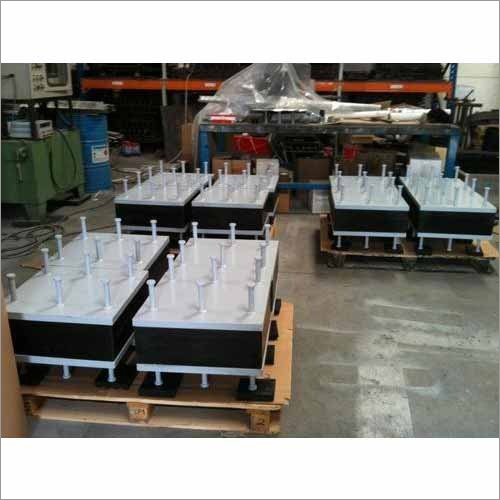
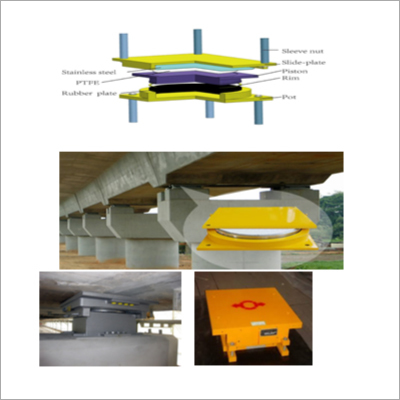
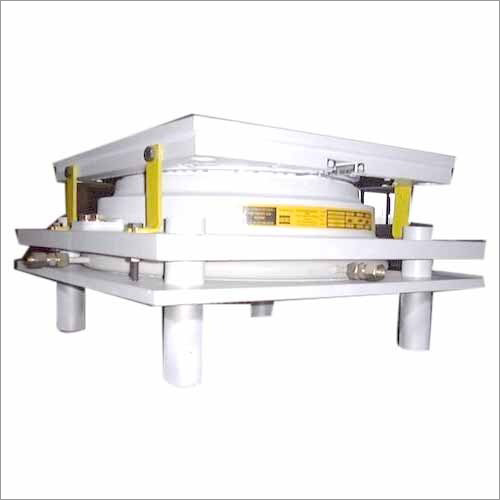
Our offered PTFE Bridge Bearing is structural equipment and device which is installed between bridge substructure and superstructure to transfer the applied load. Further, these bearings make rooms for relative movements between superstructure and substructure, for example rotation movements and translational movements in horizontal and transverse direction. Our provided bridge bearing is made under the guidance of our expert professionals by using latest technologies keeping in mind the set quality norms. This PTFE Bridge Bearing is checked by our quality controller on different quality parameters before delivering to our valued customer end.
Product Details
|
Application |
Use For Bridge |
|
Material |
PTFE |
|
Thickness |
10 - 750 mm |
|
Load Capacity |
100 to 500 Ton |

Price:
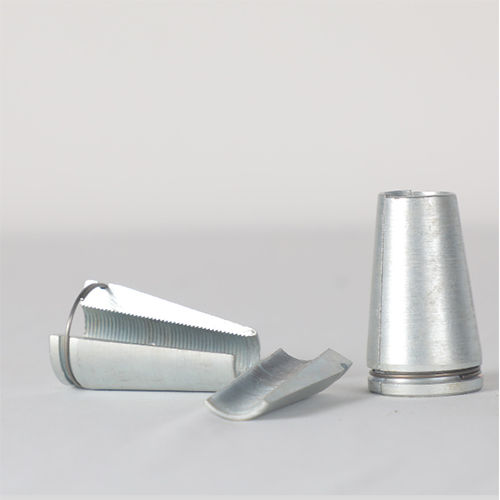
Price Range 500.00 - 3300.00 INR / Meter
Minimum Order Quantity : 1000 Meters
Thickness : 5 mm to 40 mm
Precision Rating : P0, P6, P5, P4
Material : Other, Chrome Steel, Stainless Steel
Load Capacity : Up to 150 kN
Price Range 500.00 - 3300.00 INR / Meter
Minimum Order Quantity : 1000 Meters
Thickness : 14 mm
Precision Rating : P0, P6, P5, P4
Material : Chrome steel
Load Capacity : Dynamic 19.3 kN, Static 10.5 kN
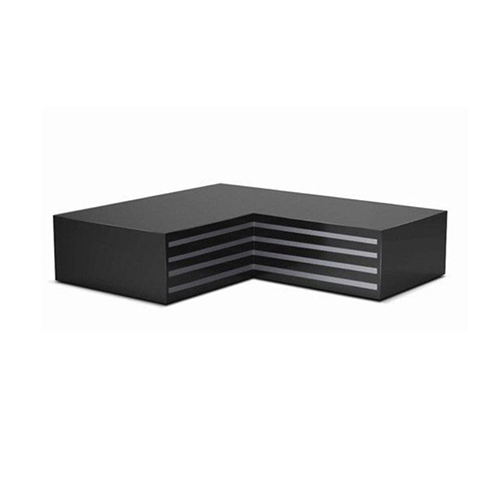
Minimum Order Quantity : 1000 Cubic Centimeters
Thickness : Custom as per requirement
Precision Rating : Standard
Material : Other, Neoprene Rubber & Steel Plates
Load Capacity : High Load Bearing (as per design)
Price Range 0.45 - 175.00 INR / Ton
Minimum Order Quantity : 1000 Tons
Thickness : Typically 4070 mm or project specific
Precision Rating : High precision to IS 2062 / IRC standards
Material : Other, PTFE (Polytetrafluoroethylene) & structural steel
Load Capacity : Up to 2000 kN or customized



|




 Send Inquiry

 Send Inquiry

 Send Inquiry
 Send SMS
 Call Me Free