About Duct Expansion Joint
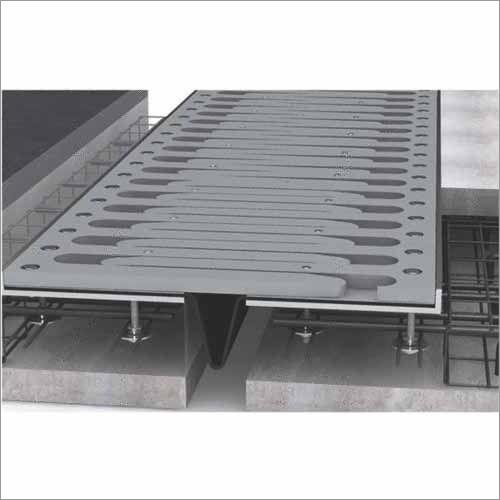
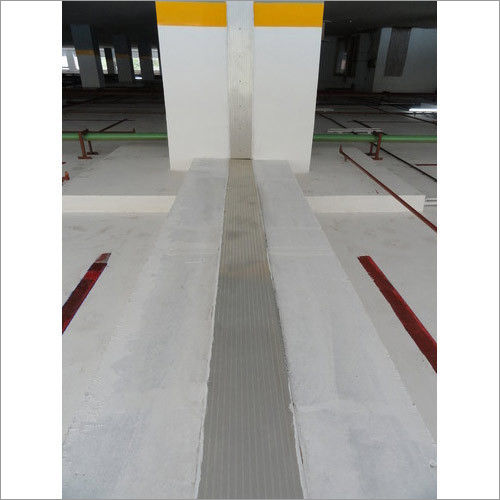
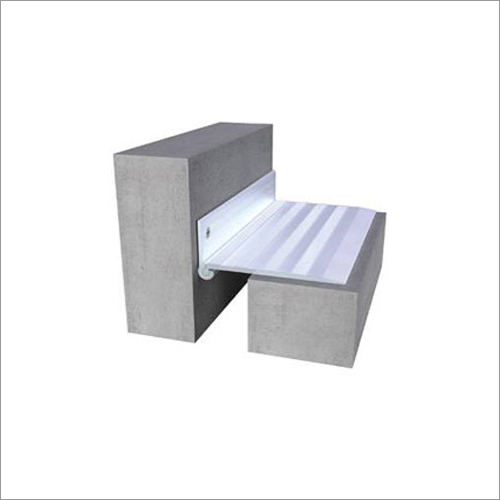
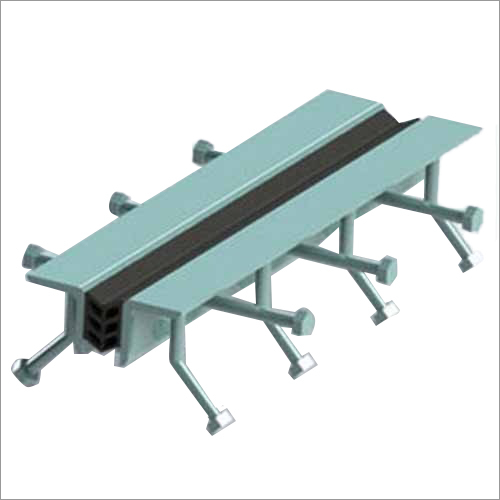
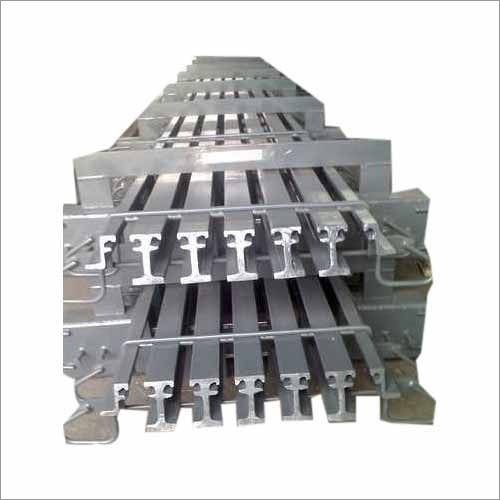
Our provided Finger Type Expansion Joint is used in bridge construction to accommodate bridge expansion and contraction while reducing the amount of noise pollution which occurs in other alternative joint types. It is used to provide support to vehicles as it travels across bridge expansion joint openings. These joint are made under the guidance of our expert engineers keeping in mind the set industrial norms. Further, out offered Finger Type Expansion Joint create an effective seal at the joint opening, preventing water and deleterious materials from contacting the seal support girders and bearing below.
Product Details
| Material | Iron |
| Usage/Application | Building Joint |
| Size | 1/2 inch |
| Nominal Pressure | 0.5 to 2.5 Ba |
Versatile Movement CapabilityDesigned to absorb axial, lateral, and angular movements, these expansion joints safeguard duct systems from thermal and mechanical stresses, ensuring uninterrupted performance in a wide range of applications. Their flexibility prevents structural damage and compensates for misalignments and vibrations, making them vital for modern HVAC and industrial ductwork.
Customizable to Your ProjectWith a variety of materials, shapes (rectangular or round), and coatings available, our duct expansion joints are tailored to fit any system specifications. Length, color, flange material, and insulation options can all be customized to align with project requirements, industry regulations, and environmental conditions.
FAQs of Duct Expansion Joint:
Q: How does a duct expansion joint benefit HVAC and industrial duct systems?
A: Duct expansion joints absorb movements caused by thermal expansion, vibrations, and misalignment, reducing stress on ductwork and connected equipment. This minimizes the risk of leaks, noise, and premature system failure, while supporting efficient, uninterrupted operation.
Q: What materials are used in manufacturing these duct expansion joints?
A: Depending on application requirements, these joints can be fabricated from fabric-reinforced rubber, neoprene, EPDM, PTFE, or silicone. The selection influences properties like corrosion resistance, thermal tolerance (up to 250C), and fire or UV resistance, based on your system needs.
Q: When should I choose fire or UV-resistant expansion joints?
A: Opt for fire-resistant joints when ductwork passes through areas with elevated fire safety demands. UV-resistant options are recommended for outdoor installations or where sunlight exposure can degrade standard materials. Let us know your application for the best material recommendation.
Q: Where are these duct expansion joints typically installed?
A: They are commonly installed in HVAC, ventilation, and industrial ductsacross commercial buildings, factories, power plants, and other facilitieswhere movement absorption, noise control, and reliability are essential.
Q: What installation methods are available for these duct expansion joints?
A: Installation can be completed using bolt-on or weld-on connection types, with flanged or welded ends as per your system layout. This flexible approach simplifies integration with new or existing ductwork.
Q: How is leakage prevented in these joints?
A: Our expansion joints are engineered for minimal leakage, conforming to strict industry standards. High-performance sealing and coated or painted surfaces minimize air or gas loss and withstand harsh operating conditions.
Q: What maintenance is needed after installation?
A: Thanks to high-quality materials and robust construction, these expansion joints require very low maintenance. Periodic visual inspections are generally sufficient to ensure reliable operation over extended service life.
 English
 Spanish
 French
 German
 Italian
 Chinese (Simplified)
 Japanese
 Korean
 Arabic
 Portuguese









 Send Inquiry

 Send Inquiry

 Send Inquiry
 Send SMS