About Architectural Expansion Joints
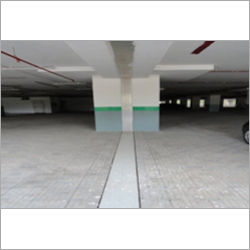
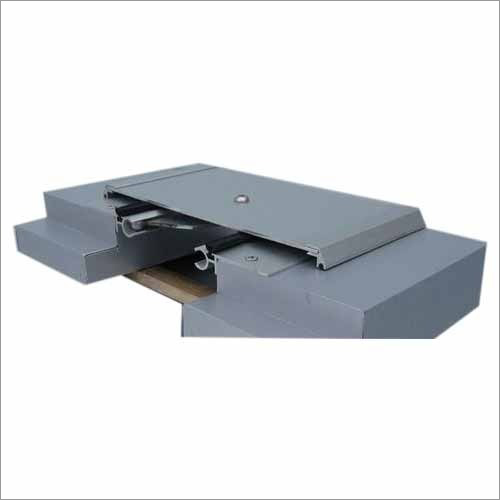
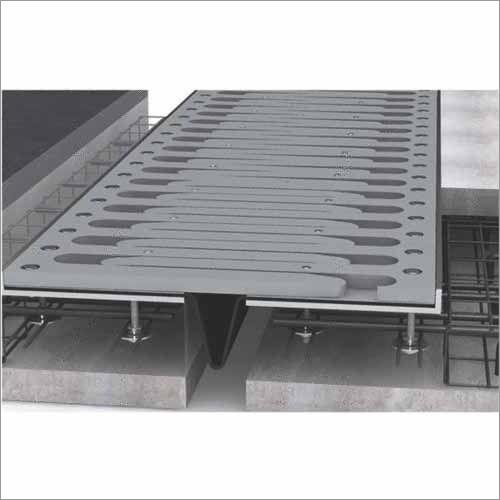
Equipped with extruded aluminum frame and steel plate, rubber made Architectural Expansion Joint has been developed as per ASTM norms. These products have been vulcanized under high pressure and high temperature to attain their precise shape. Joint width of these products ranges between 50 mm to 350 mm and their movement capacity is +/-50%. Design of these Architectural Expansion Joint is certified by ISO or CE. Provided joints play significant role in avoiding shaking and deformation of bridges. Moreover, these provide seamless finish to concrete structures. Offered expansion joints are totally protected against acid, rust and water.
Versatile Movement AccommodationOur expansion joints are designed to handle different types of movement such as thermal expansion and contraction, seismic shifts, wind-induced movement, and building settlement. This ensures structural integrity and safety across a wide range of building types and conditions.
Customizable for Unique Project NeedsEach joint is tailored to your specifications, allowing for customization of width, depth, color, profile, and movement rating. Choose from various surface treatments and finishes, guaranteeing cohesion with architectural aesthetics and performance requirements.
Installation Flexibility and DurabilityAvailable in surface mount, flush mount, and recessed installation configurations, our joints integrate seamlessly into floors, walls, ceilings, or roofs. With a choice of bolted or anchorage connection systems and durable precision-extruded metals, long-term reliability is ensured even in demanding environments.
Optional Safety and Comfort FeaturesEnhance building safety and comfort with optional fire barriers rated up to 2 hours and acoustic seals for noise reduction. These features support compliance with fire protection regulations and improve occupant experience in hotels, hospitals, and commercial complexes.
FAQs of Architectural Expansion Joints:
Q: How do architectural expansion joints accommodate building movements?
A: Expansion joints are engineered to flex and move in response to thermal changes, seismic activity, wind loads, and building settlement. Their design and materials allow buildings to naturally expand, contract, or shift without damage to structure or finishes.
Q: What options are available to customize expansion joints for my project?
A: You can specify width (50mm500mm), depth, color, profile, and movement capability. Finish options include anodized, painted, brushed, or custom treatments, ensuring each joint fits your technical and aesthetic requirements.
Q: When should expansion joints be installed in a building?
A: Expansion joints are typically installed during initial construction, refurbishment, or renovation in areas susceptible to movement or stress, such as floors, walls, ceilings, or roofs of high-traffic commercial buildings.
Q: Where can these expansion joints be applied?
A: Our joints are suitable for diverse environments including hotels, hospitals, airports, shopping malls, commercial complexes, and other structures demanding reliable movement accommodation and durability.
Q: What is the process for installing these expansion joint covers?
A: Installation involves selecting the appropriate mounting methodsurface, flush, or recessedaligning the joint in the specified location, and securing it using bolted or anchorage systems. Each joint comes with clear installation guidelines for ease and precision.
Q: How do optional fire barriers and acoustic seals benefit my building?
A: Fire barriers offer up to 2 hours of fire protection, enhancing occupant safety and regulatory compliance. Acoustic seals minimize noise transmission, creating a more comfortable environment for public spaces and institutions.
Q: What are the main advantages of choosing these expansion joints?
A: Our expansion joints feature corrosion-resistant treated surfaces, durable metal construction, robust movement capabilities, and extensive customization. They improve building longevity, structural safety, and occupant comfort while complementing architectural aesthetics.
 English
 Spanish
 French
 German
 Italian
 Chinese (Simplified)
 Japanese
 Korean
 Arabic
 Portuguese









 Send Inquiry

 Send Inquiry

 Send Inquiry
 Send SMS