About Fixed Bridge Bearing
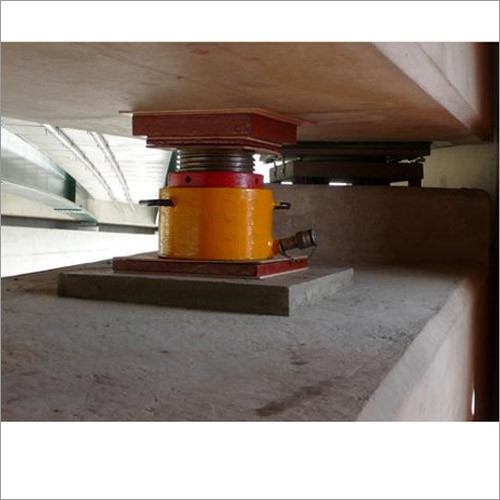
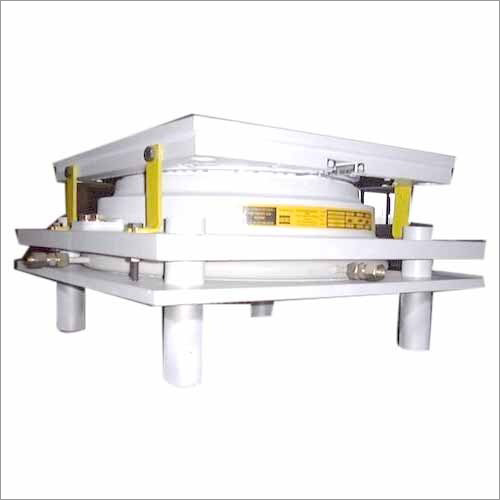
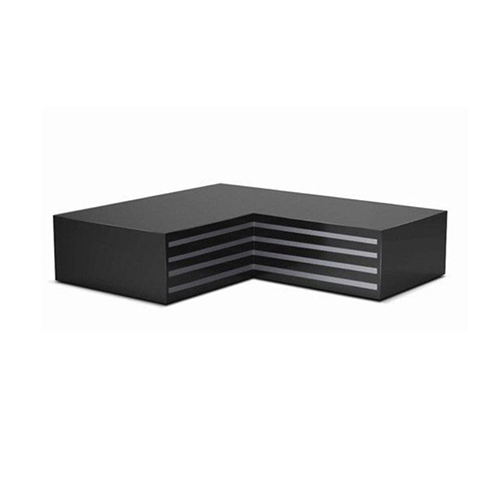
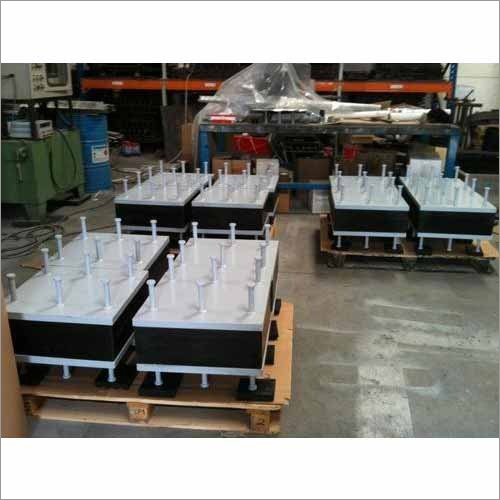
Our provided Fixed Bridge Bearing is a component of a bridge which usually provides a resting surface between bridge piers and the bridge deck. It is a new generation of bridge bearing designed to meet the demands of todays complex bridge structures. In modern highway engineering, the advent of longer span and continuous girder bridges, coupled with compound curves and increase truckloads. These loads and movement exceed Tradition Bridge bearing capabilities. Our offered Fixed Bridge Bearing provides longer service life compared to elastomeric bearings and smaller in size compared to elastomeric bearings.
Product Details
| Elongation At Break | 350 % |
| Material | Natural Rubber |
| Usage | Bridge Construction |
| Tensile Strength | 15.5 MPa |
| Hardness | 40-90 Shore A |
Reliable Structural SupportFixed Bridge Bearings guarantee steadfast support by transferring only vertical loads, preventing any horizontal displacement. The bearings are strategically installed between the bridges superstructure and substructure, ensuring uninterrupted load transmission and structural integrity. Their robust construction using high-strength steel and elastomeric layers maximizes stability and extends service life.
Advanced Protection and DurabilityTo withstand harsh environments and heavy use, our bearings are coated with anti-corrosive epoxy or galvanized finishes and feature weather-resistant elastomeric seals. These protective features ensure the bearings performance even in adverse temperatures, providing a lifespan that reliably surpasses 15 years under normal usage conditions.
Customizable Engineering SolutionsEngineered to accommodate a range of bridge designs, our fixed bearings are available in various shapes, sizes, and capacities. Tailoring includes bore and outside diameters, compression strengths over 17 MPa, and variable thicknesses to align with specific project requirements and regulatory standards.
FAQs of Fixed Bridge Bearing:
Q: How does a fixed bridge bearing with anti-corrosive coating function within a bridge structure?
A: A fixed bridge bearing is designed to transfer vertical loads from the superstructure to the substructure without permitting any horizontal or shear movement. The anti-corrosive coating, such as epoxy or galvanized finish, protects the bearing from environmental damage, ensuring it remains structurally sound and effective over time.
Q: What are the advantages of using a fixed bearing over a movable one?
A: Fixed bearings are ideal for locations in a bridge where horizontal movement is not required. Their main benefit lies in providing unwavering positional stability and vertical load support, simplifying bridge maintenance, and reducing issues related to excessive movement or displacement.
Q: When should a fixed bridge bearing be installed, and where is its correct placement?
A: Fixed bearings are typically installed during initial bridge construction or in major retrofitting projects. The proper position is directly between the superstructure (bridge deck or girder) and the substructure (pier or abutment) wherever a fixed support point is specified in the bridge design.
Q: What is the expected process for selecting and installing a fixed bridge bearing?
A: Selection involves assessing load capacity, service temperature, required compression strength, and required shape or size based on bridge design. During installation, the bearing is placed securely between the superstructure and substructure, ensuring correct alignment and secure anchoring to maximize performance.
Q: How does the use of weather-resistant elastomeric seals benefit the bearing?
A: Weather-resistant elastomeric seals protect the internal steel and elastomeric layers from moisture, dust, and temperature fluctuations. This greatly extends the bearings operational life and maintains structural performance even in challenging environmental conditions.
Q: What maintenance is required for fixed bridge bearings with self-lubrication?
A: These bearings are designed to be virtually maintenance-free due to their self-lubricating properties. Regular inspections for wear, seal condition, and coating integrity are recommended, but no additional lubrication or frequent servicing is typically necessary.
Q: Are custom sizes and shapes available for these bearings to suit different bridge designs in India?
A: Yes, fixed bridge bearings can be custom-designed in terms of bore size, outside diameter, thickness, and overall shape (rectangular or circular) to suit the unique requirements of various bridge projects across India. This ensures full compliance with design specifications and regulatory standards.
 English
 Spanish
 French
 German
 Italian
 Chinese (Simplified)
 Japanese
 Korean
 Arabic
 Portuguese









 Send Inquiry

 Send Inquiry

 Send Inquiry
 Send SMS
 Call Me Free